
HUDSON
BIOTECH
Tirzepatide Clinical Trial Overview: NCT 07481747
Source-grounded trial analysis and peptide-supply context for sponsors, CROs, hospitals, investigators, and research procurement teams.
This page summarizes the current public record associated with ClinicalTrials.gov ID NCT07481747 and places that record in the broader tirzepatide research and peptide-manufacturing context relevant to B2B clinical-development stakeholders.
What Is Tirzepatide?
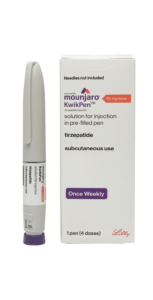
Tirzepatide is a dual glucose-dependent insulinotropic polypeptide (GIP) receptor and glucagon-like peptide-1 (GLP-1) receptor agonist administered by once-weekly subcutaneous injection in current U.S. labeled products. The FDA prescribing information for MOUNJARO and ZEPBOUND describes the molecule in those terms.
In the U.S., current FDA labeling places tirzepatide across type 2 diabetes and obesity-related indications: MOUNJARO is labeled to improve glycemic control in adults and pediatric patients 10 years of age and older with type 2 diabetes, while ZEPBOUND is labeled for long-term weight reduction and weight-maintenance support in adults with obesity, or adults with overweight plus at least one weight-related comorbidity, and for moderate to severe obstructive sleep apnea in adults with obesity.
For research and clinical development teams, tirzepatide matters because it sits at the intersection of metabolic disease, obesity medicine, long-term weight management, and cardiometabolic risk research. That breadth makes it a scientifically important molecule and a commercially serious procurement category for sponsors and peptide-focused partners alike.

ClinicalTrials.gov ID NCT07481747 Overview
As of the public ClinicalTrials.gov search record updated on March 19, 2026, NCT07481747 is listed with information provided by Hudson Biotech as the responsible party.
Study Snapshot
Official Title
Sponsor
Phase/Status
Study Design
Population
Intervention / Comparator
Enrollment
Primary Endpoints
Other Objectives
Long-Term Follow-Up
Location
Peking University Shenzhen Hospital, Shenzhen, Guangdong, China.
Editorial Note on Study Identity
This distinction is important for accuracy: the public NCT07481747 record uses the SURMOUNT-1 title and protocol identifier I8F-MC-GPHK(b), whereas the current FDA ZEPBOUND label identifies Study 1 for weight reduction as NCT04184622 rather than NCT07481747. Therefore, this page maintains the NCT07481747 record separately from published efficacy outcomes associated with the original NCT04184622 study.
Why This Trial Matters
The public NCT07481747 design targets a clinically important obesity-research population: adults without type 2 diabetes who nevertheless carry excess-weight burden and at least one weight-related comorbidity. That population sits at a meaningful clinical junction between obesity management, cardiometabolic risk control, and diabetes-prevention research.
Its primary assessment window of 72 weeks is also significant. That duration is long enough to matter in obesity research, and the publicly listed prediabetes extension adds a longer-horizon question: not only how weight changes, but whether sustained intervention affects progression toward type 2 diabetes over time.
The study also matters methodologically because the intervention is not framed as tirzepatide alone. Public descriptions pair weekly dosing with reduced-calorie diet and increased physical activity counseling, which keeps the trial grounded in a structured obesity-management framework rather than a purely pharmacologic exposure model.
For sponsors, CROs, and investigator teams, that combination makes NCT07481747 a relevant public reference point for inclusion criteria, comparator structure, endpoint design, and long-term follow-up thinking in obesity-focused development programs.
Tirzepatide in the Broader Clinical Research Landscape
The broader tirzepatide evidence base is extensive, but it should not be collapsed into NCT07481747. PubMed-indexed literature includes the 72-week obesity SURMOUNT-1 publication, a longer-term obesity/prediabetes follow-up, the SURMOUNT-4 maintenance study, a head-to-head comparison against semaglutide in obesity, and a study in obesity-related HFpEF. Those publications show the scale and maturity of tirzepatide research, but they are part of the broader literature, not a substitute for the specific public record attached to NCT07481747.
That breadth helps explain why tirzepatide attracts both scientific and procurement attention. In practice, buyers evaluating tirzepatide-related programs are not only asking whether the molecule is relevant; they are also asking how robustly a peptide partner can discuss control strategy, documentation, analytical expectations, and scale.
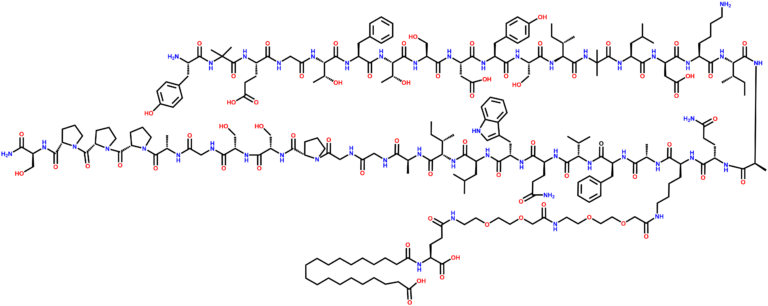
That is especially important for peptides. The EMA’s 2025 synthetic peptide guideline states that synthetic peptides sit at the interface of small molecules and proteins and require specific attention to manufacturing process, characterization, specifications, analytical control, and investigational medicinal product requirements. Separately, published process-development literature has described kilogram-scale GMP manufacture of tirzepatide using a hybrid SPPS/LPPS approach with continuous manufacturing. In other words, tirzepatide belongs to a class where technical maturity matters.
Hudson Biotech: A U.S.-Based Peptide Partner for Clinical-Trial and Research Use
According to company-provided context, Hudson Biotech is a U.S.-based peptide manufacturer focused on peptides for clinical-trial and research use. Positioned correctly, that matters less as a slogan and more as a signal of fit: sponsors, CROs, hospitals, investigators, and procurement teams need partners who can hold serious technical conversations around peptide supply, project scope, and study-stage requirements.
For tirzepatide and related peptide programs, credible support starts with the basics: understanding the target sequence, intended use, quality targets, analytical package, documentation expectations, and supply planning. That is the standard Hudson Biotech should lean into.
Hudson Biotech’s strongest positioning on a page like this is not “biggest” or “best.” It is the more believable claim: a peptide-focused partner built to support research organizations and clinical-development stakeholders with technically grounded discussions and project-specific support.
??
Why Choose Hudson Biotech
"What serious peptide buyers usually evaluate"
For development-stage peptides, vendor evaluation should go beyond availability. Current peptide guidance emphasizes manufacturing process description, characterization, specifications, analytical control, impurity assessment, comparability, and investigational product requirements. Those are the questions sophisticated buyers ask, and those are the questions a credible peptide partner should be prepared to address.
Peptide-focused discussions:
Emphasize the molecule, study design, and quality requirements rather than using generic supplier language.
Clinical trial and research context:
Address sponsors, CROs, hospitals, investigators, and procurement teams operating in regulated or study-driven environments.
U.S.-based operational context:
For certain buyers, a domestic partnership may support communication, oversight, and vendor qualification.
Project-specific engagement:
ocus conversations on sequence details, purity specifications, analytical methods, documentation requirements, and supply planning.
Measured credibility:
Avoid overstated claims about efficacy or market leadership, and instead rely on publicly available information, technical transparency, and responsiveness to build trust.
FAQ:
What is ClinicalTrials.gov ID NCT07481747?
NCT07481747 is a publicly listed tirzepatide clinical-trial record described as a Phase 3 interventional study in adults without type 2 diabetes who have obesity or are overweight with weight-related comorbidities. Public trial pages describe the record as actively enrolling/recruiting.
Is NCT07481747 the same as the original SURMOUNT-1 study?
It should not be treated as an interchangeable identifier. The public NCT07481747 record uses the SURMOUNT-1 title, but the current FDA ZEPBOUND label identifies the original weight-reduction Study 1 as NCT04184622.
Who is the target population in NCT07481747?
Public eligibility text describes adults 18 years and older with obesity, or with overweight plus at least one weight-related comorbidity, and excludes type 1 or type 2 diabetes.
What interventions and comparator are publicly listed?
Public sources describe tirzepatide 5 mg, 10 mg, and 15 mg once weekly by subcutaneous injection versus placebo, with reduced-calorie diet and increased physical activity counseling.
What are the main publicly listed endpoints?
The ClinicalTrials.gov search record lists mean percent change in body weight from randomization at 72 weeks and the percentage of participants achieving 5% or more body-weight reduction from randomization as primary endpoints. Public mirror pages also list mean change in body weight and triglycerides among the study objectives.
Where is the trial publicly listed as being conducted?
One publicly listed site is Peking University Shenzhen Hospital in Shenzhen, Guangdong, China.
Why do tirzepatide programs require peptide-specific manufacturing diligence?
Because current peptide guidance highlights process, characterization, specifications, analytical control, impurity management, and investigational-product requirements, and published literature shows tirzepatide scale-up involves technically demanding peptide-manufacturing strategies.
Is this page intended for patient treatment decisions?
No. This page is written for research, clinical-trial, and procurement audiences. It summarizes public trial information and peptide-supply context; it is not patient-specific medical advice or a promotion of tirzepatide for personal or consumer use.
Compliance / Disclaimer
his page is intended for scientific, clinical-trial, and research-procurement audiences. It summarizes publicly available information about ClinicalTrials.gov ID NCT07481747 and discusses tirzepatide in a research and clinical-development context. It is not patient-specific medical advice, not a substitute for the official trial record, and not a promotion of tirzepatide for consumer, compounded, or personal use. Any peptide program should be evaluated against its protocol, applicable regulations, and product-quality requirements.